
Kevin Warsh, the discreet architect defying the specter of inflation at the Fed
As markets scrutinize every word from the White House, Kevin Warsh has emerged as the surprise candidate capable of restoring monetary rigor in Washington. Between institutional independence and economic pragmatism, the future of the Federal Reserve is now being played out behind the scenes.

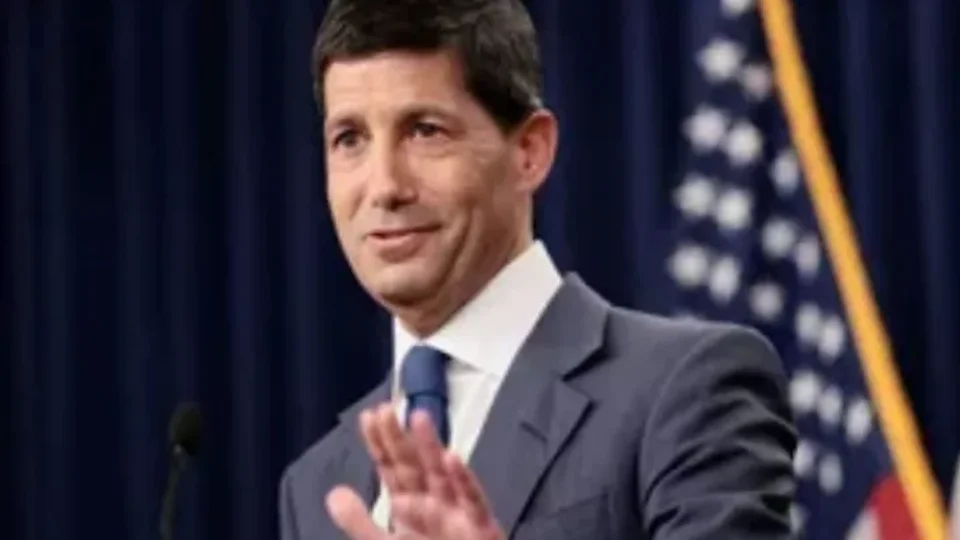
The return to grace of a methodical hawk
In the hushed corridors of global finance, one name is recurring with new insistence: Kevin Warsh. A former governor of the Federal Reserve and son-in-law of Ronald Lauder, this financial intellectual, once close to the Bush administration, now appears to be the ideal bulwark against instability. His profile, both orthodox and technocratic, outlines a man who fears neither the markets nor political dictates. For many observers, appointing him to lead the American monetary institution would be a strong signal: that of a return to fundamentals, far from electoral posturing.
A red line against economic populism
The challenge awaiting the successor to Jerome Powell is immense. It involves anchoring monetary policy in a reality made of macroeconomic data, rather than succumbing to Donald Trump's recurring pressures to lower rates. Warsh, known for his intellectual rigor, advocates an approach where the independence of the Fed is non-negotiable. "The credibility of the central bank is its most precious asset, far beyond its financial balance sheets," he emphasized during a notable speech. This stance, reminiscent of the darkest hours of the oil shocks when discipline prevailed over complacency, appeals to investors fearing an uncontrolled inflationary surge.
Rigor as a monetary compass
On the technical level, the direction advocated by the Warsh camp is clear: a gradual, yet firm, normalization of interest rates. Unlike a short-term vision aimed at artificially stimulating growth, his model is based on structural control of inflation. By favoring transparent communication and a policy based on tangible facts, Warsh hopes to restore a healthy balance between money supply and global demand. It is an approach that stands out in the current landscape, often marked by a search for immediate solutions to deep structural problems.
The litmus test for the financial system
Kevin Warsh's potential rise is not just a matter of casting; it is a test for American democratic resilience. If the White House attempts to take control of the management of the dollar, the Fed's internal resistance will become the stage for a historic standoff. Markets, in search of stability, are awaiting a decision that will ensure monetary policy remains immune to the moods of the electoral cycle. In short, choosing Warsh means choosing a form of permanence, a return to a monetary authority that speaks through numbers and law, rather than political rhetoric.
Mots-clés
Références & sources
- 01Federal Reserve SystemFederal Reserve
- 02Bureau of Economic AnalysisUS Department of Commerce
- 03World Bank Economic OutlookWorld Bank
- 04International Monetary FundIMF
- 05U.S. Department of the TreasuryUS Treasury

