
Smart glasses face the threat of a ban in Europe
The new frontier for tech giants is clashing with legal realities. Between promises of immersion and security risks, the European Union is tightening the screws.

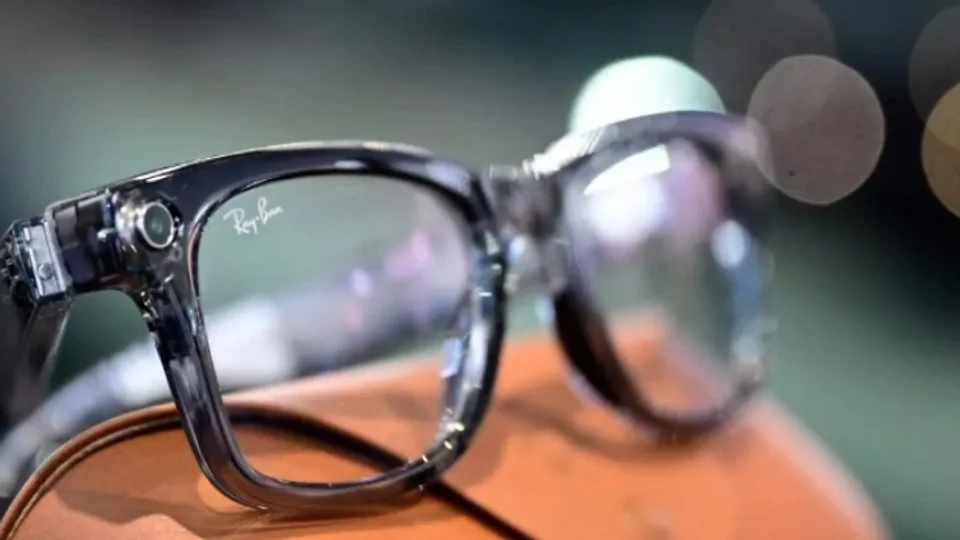
The illusion of transparency at your fingertips
The augmented reality industry promised a sensory revolution, a seamless fusion between the real and the virtual. Yet, the democratization of connected glasses looks more like consented mass surveillance every day. Equipped with optical and acoustic sensors capable of immortalizing every interaction without the slightest visual signal, these high-tech frames have established themselves in public spaces without prior societal debate. Incidents are multiplying, ranging from clandestine capture of private conversations to digital harassment, plunging users into a legal gray area where privacy is no longer anything but an obsolete notion.
Brussels steps up to the plate
Faced with this uncontrolled proliferation, the European Commission has decided to break its silence. Regulators no longer hide their concern over features that blithely circumvent the General Data Protection Regulation (GDPR). A series of investigations is now underway to assess the compliance level of these wearable devices. “Innovation cannot justify the systematic erosion of individual freedoms,” European authorities insist. The message is clear: manufacturers must integrate privacy-by-design mechanisms, or risk seeing their products banned from the single market.
The end of impunity for digital giants
The standoff currently underway involves more than just image rights. It strikes at the very essence of the exploitation of biometric data collected by these systems. Companies rely on these data flows to refine their recognition algorithms, turning every user into a walking sensor for the benefit of distant servers. The threat of unprecedented financial penalties, potentially reaching several percentages of global turnover, is rebalancing a power dynamic that was dangerously tipped in favor of Silicon Valley conglomerates.
Towards an ethics of augmented vision?
While the future of human-machine interfaces seems to depend on wearing smart accessories, the long-term viability of this market will depend on its ability to provide reassurance. The implementation of mandatory indicator lights, drastic limitations on local storage, and explicit consent from filmed third parties are all avenues put forward by Brussels. The challenge is immense: reconciling the creative drive of engineers with the necessary protection of private space. At a time when the boundaries of the intimate are fading under the weight of technology, the legislator's response will be the first rampart against a shift towards a society of generalized surveillance.
Mots-clés
Références & sources
- 01Règlement général sur la protection des données (RGPD)Commission européenne
- 02Actualités du secteur technologiqueFrance 24
- 03Rapports sur la sécurité numériqueENISA
- 04Droits numériques et libertésComité européen de la protection des données

